
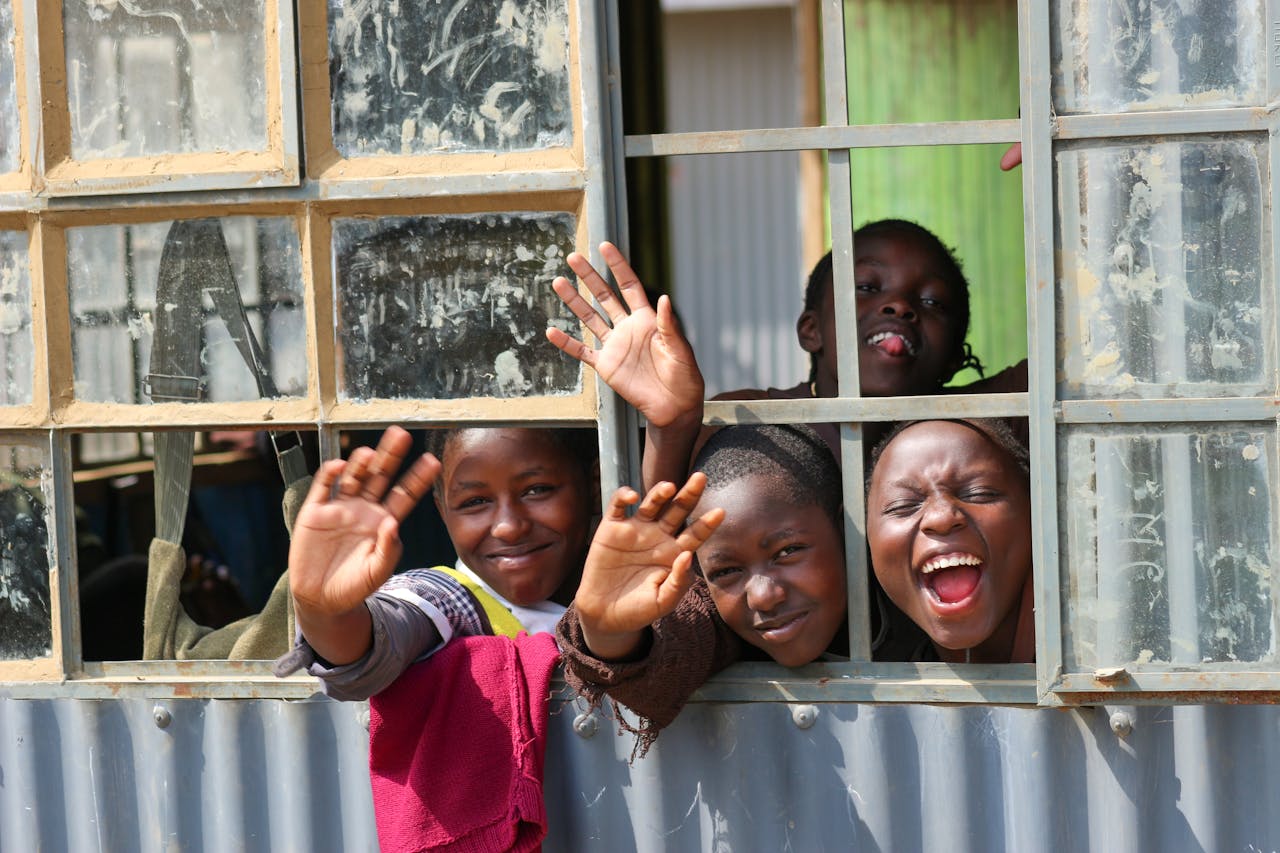
General

Four smiling children waving and having fun through a rustic window. Capturing joyful expressions.
General

Period Poverty in Kenya: How Lack of Sanitary Products Is Keeping Girls Out of School

Period poverty remains one of the most overlooked barriers to girls’ education in Kenya. For thousands of young women, missing school every month due to a lack of sanitary pads is a reality that limits both their education and life opportunities. Studies show that girls in Kenya may miss up to five days of school per month during menstruation, which over time can lead to dropping out entirely. Understanding Period Poverty in Kenya Period poverty is not just about the absence of sanitary pads. It is also about the lack of menstrual hygiene education, private and safe facilities, and social support. In many low-income areas, girls are forced to use unsafe alternatives that increase the risk of infections and discomfort. Social stigma and shame often prevent them from speaking openly about menstruation, further isolating them. How Pad Up A Girl Kenya Is Making a Difference Pad Up A Girl Kenya addresses period poverty by combining product distribution with education programs. Their initiatives ensure that girls have access to sanitary pads, menstrual cups, and hygiene kits, while also learning proper hygiene practices and understanding their bodies. Workshops in schools and community centers empower girls with the confidence to attend school without fear or shame. The Ripple Effect on Education and Communities When girls can manage their periods effectively, the impact extends far beyond school attendance. Academic performance improves, dropout rates decrease, and girls are more likely to pursue higher education and leadership roles. Communities benefit too, as educated young women grow into empowered, confident contributors to society. How You Can Help Ending period poverty in Kenya requires a collective effort from NGOs, government bodies, and individual supporters. By contributing to initiatives like Pad Up A Girl Kenya, donors help ensure that every girl has the right to education, dignity, and opportunity—regardless of her economic background.

Period Poverty in Kenya: How Lack of Sanitary Products Is Keeping Girls Out of School Read Post »
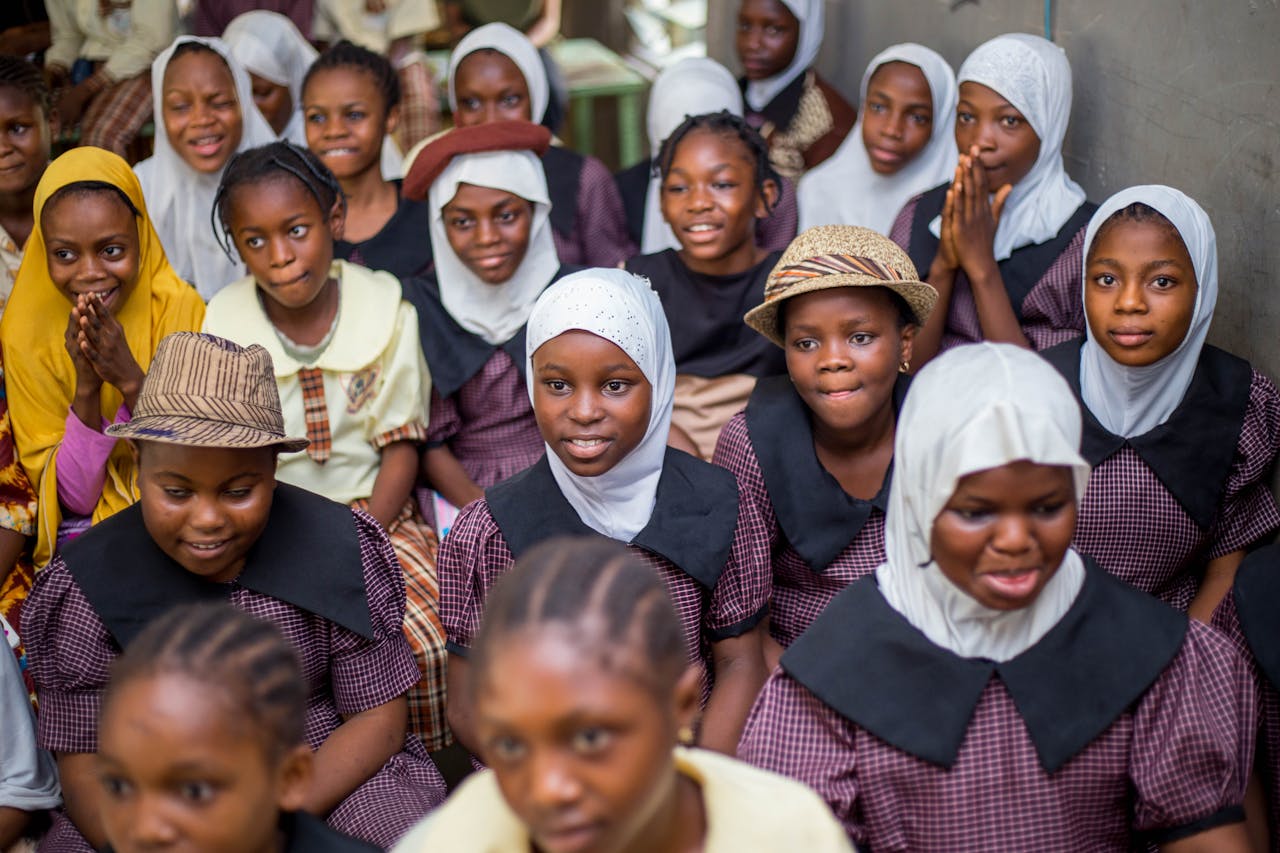
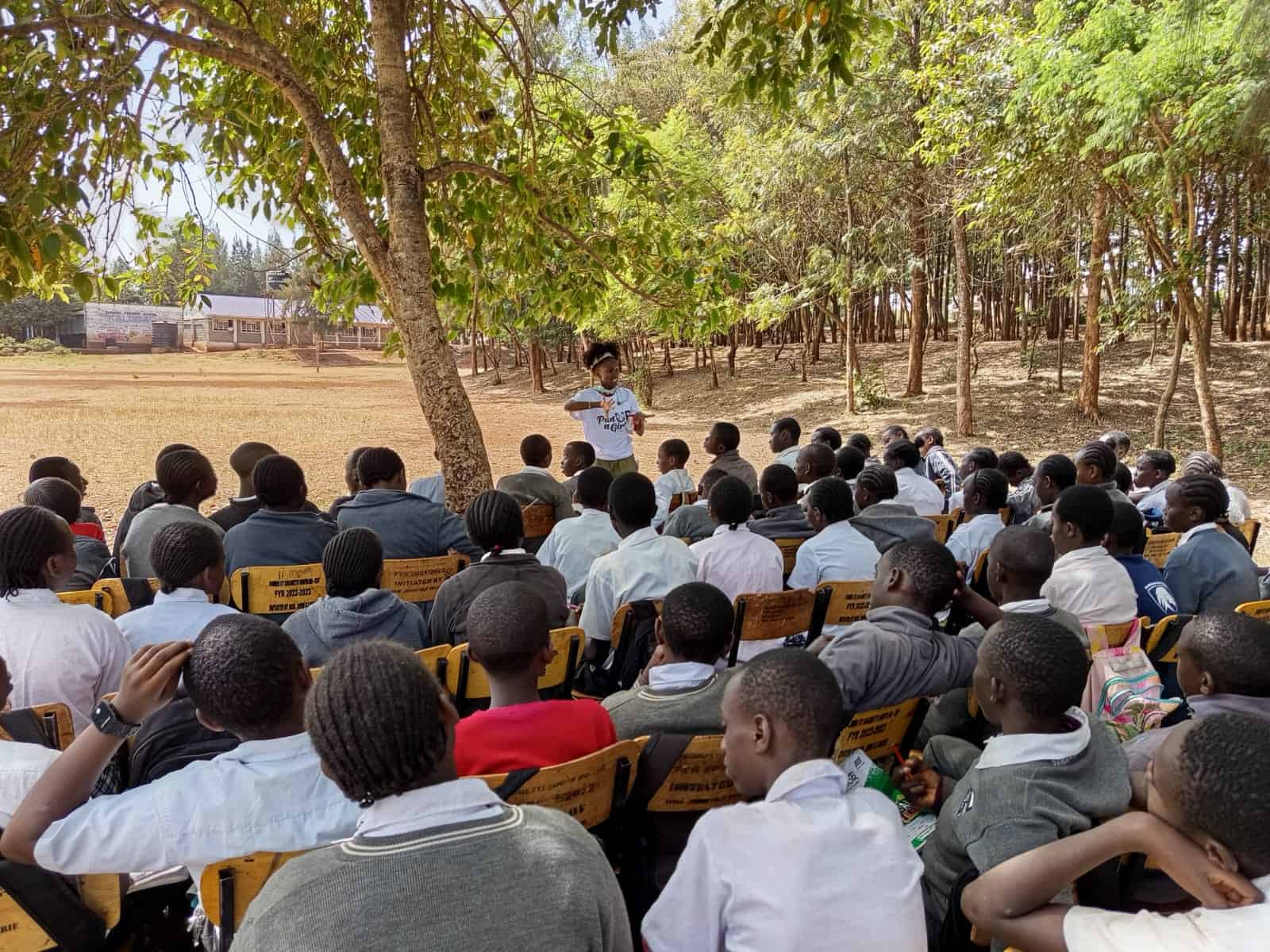
A joyful group of school girls wearing uniforms and headscarves, sitting together and smiling brightly indoors.
General

Breaking the Silence: Why Menstrual Health Education Matters for Every Girl in Kenya

Menstruation is a natural part of life, yet for many girls in Kenya, it remains a source of shame, fear, and misinformation. According to research, a significant number of school-aged girls in Kenya start their periods without proper guidance, leaving them confused and unprepared. This lack of knowledge not only affects their confidence but also contributes to school absenteeism, a problem that impacts educational outcomes across the country. The Hidden Barrier to Education In rural and urban communities alike, girls often miss school during their periods due to the lack of affordable sanitary products, inadequate facilities, and social stigma. Some girls rely on makeshift alternatives like old cloth, tissue paper, or mattress foam—solutions that are both unsafe and uncomfortable. Over time, these absences can accumulate, affecting academic performance and limiting opportunities for future growth. Empowering Girls Through Education Organizations like Pad Up A Girl Kenya are tackling these challenges head-on. Their programs combine menstrual hygiene education, pad distribution, and mentorship to equip girls with the knowledge and resources they need to manage their periods safely and confidently. By teaching girls about reproductive health, proper hygiene practices, and body awareness, these programs reduce fear and stigma while promoting dignity and self-respect. Why Menstrual Health Education Benefits Everyone Menstrual health education is not only vital for girls; it strengthens entire communities. When families, teachers, and peers understand menstruation, they can provide the supportive environment girls need to succeed. Open conversations about periods help break taboos, normalize natural body processes, and empower young women to stay in school and pursue their dreams. Call to Action In Kenya, investing in menstrual health education is investing in the future. Every girl deserves to walk confidently into her future without being held back by stigma or lack of resources. Supporting initiatives like Pad Up A Girl Kenya ensures that more girls have the opportunity to learn, grow, and thrive.

Breaking the Silence: Why Menstrual Health Education Matters for Every Girl in Kenya Read Post »

General

Empowering Kenyan Girls: How Community Support Transforms Lives

True empowerment comes from community support and action. For young girls in Kenya, access to menstrual products, hygiene education, and mentorship can make the difference between dropping out of school and reaching their full potential. Programs like Pad Up A Girl Kenya are creating transformative opportunities for girls across the country. The Role of Communities in Menstrual Health Girls cannot thrive in isolation. Community involvement is critical for addressing menstrual stigma, period poverty, and school absenteeism. Parents, teachers, and local leaders play a key role in creating a supportive environment where girls feel safe, informed, and confident. Initiatives that engage the community help normalize conversations about menstruation and break down barriers to education. Comprehensive Support Programs Pad Up A Girl Kenya implements multi-faceted programs that go beyond just distributing sanitary products. Their interventions include: These programs ensure that girls are equipped with knowledge, resources, and confidence, enabling them to fully participate in education and community life. Long-Term Impact on Kenya’s Future Empowering girls today creates a stronger, more equitable society tomorrow. Educated girls are more likely to become leaders, innovators, and changemakers in their communities. They influence positive social change and contribute to Kenya’s development goals. Menstrual health initiatives are not just about periods—they are investments in education, health, and economic growth. How You Can Be Part of the Change Supporting organizations like Pad Up A Girl Kenya amplifies impact. Whether through donations, volunteering, or advocacy, every contribution helps ensure that Kenyan girls can stay in school, pursue their dreams, and grow into confident young women. Together, communities can break the cycle of period poverty and empower the next generation.

Empowering Kenyan Girls: How Community Support Transforms Lives Read Post »

Scroll to Top