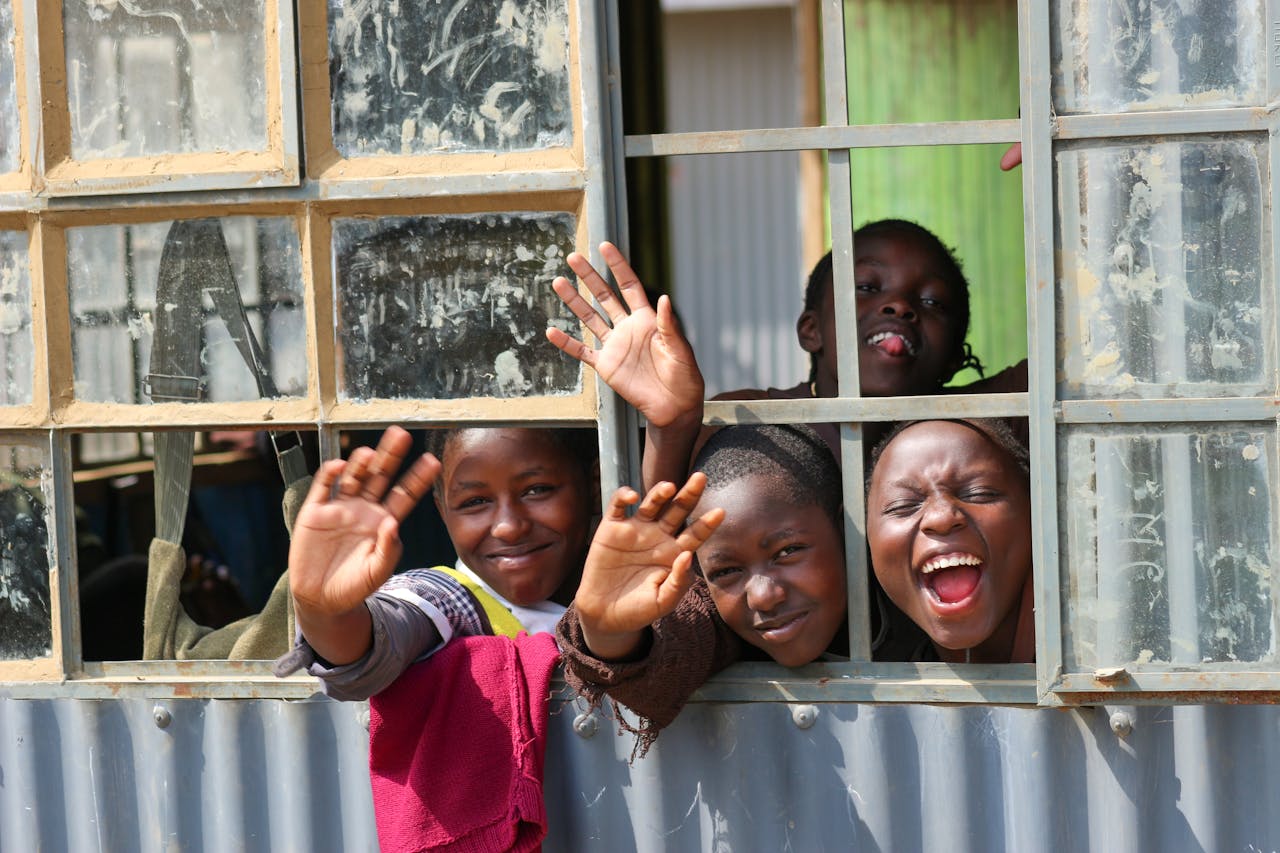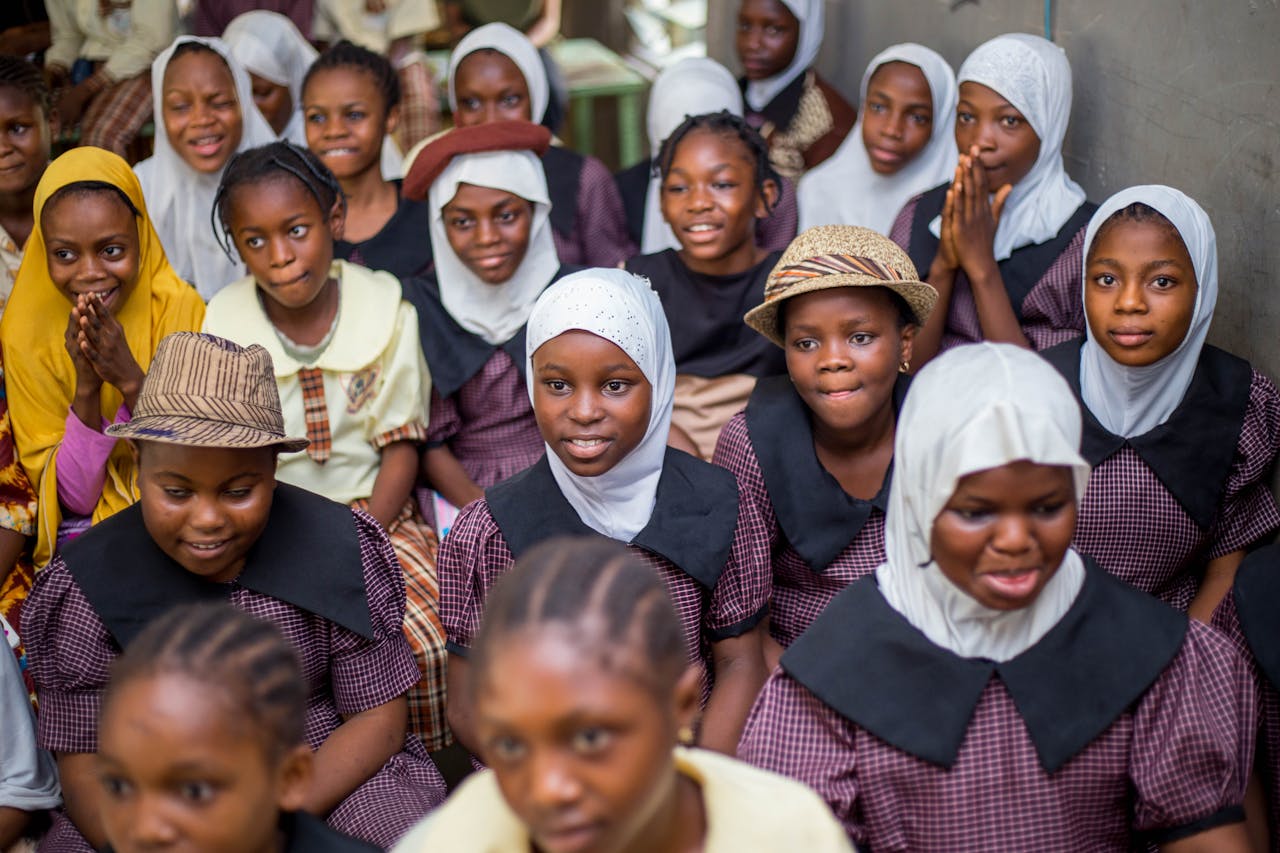

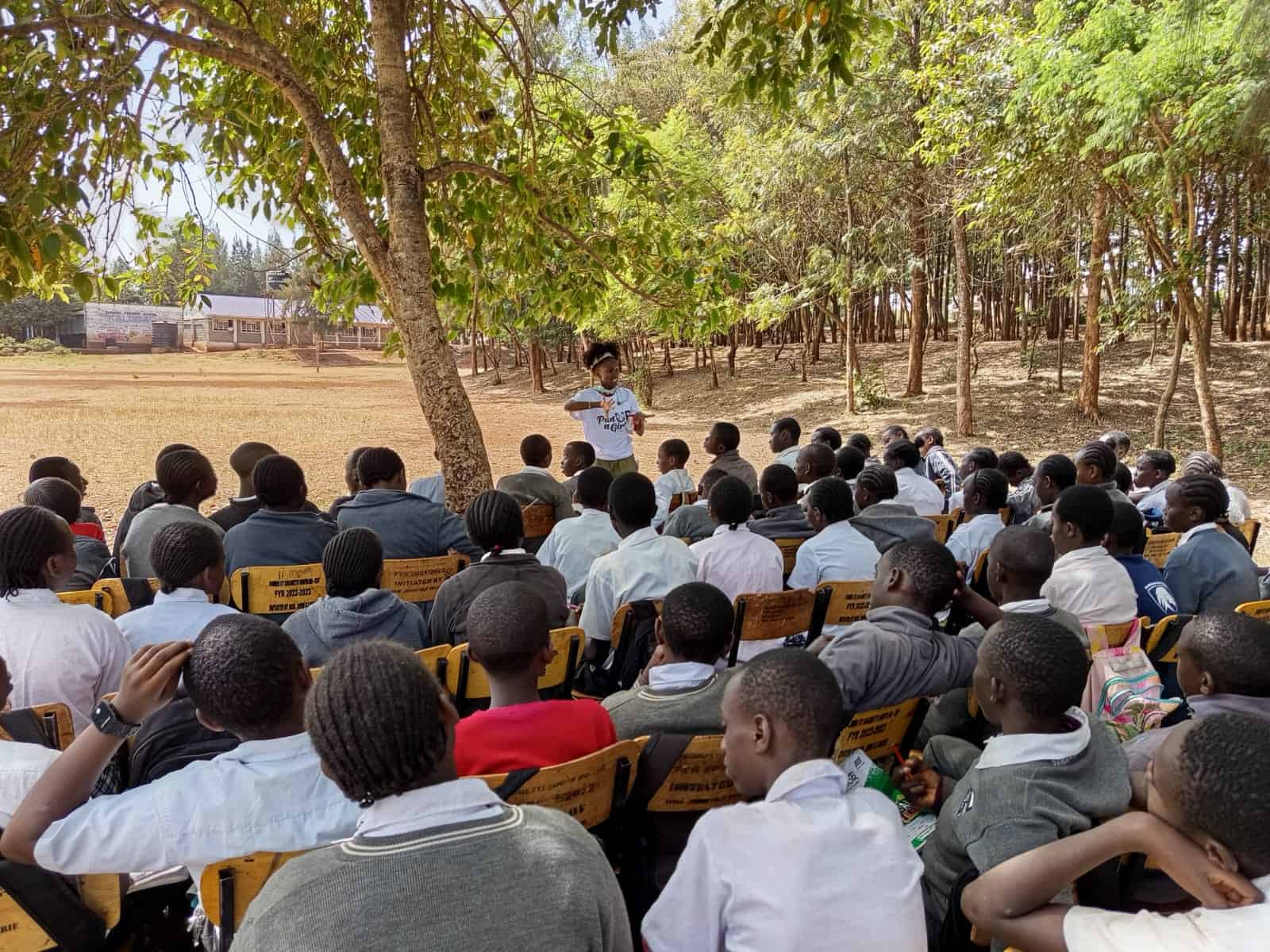
True empowerment comes from community support and action. For young girls in Kenya, access to menstrual products, hygiene education, and mentorship can make the difference between dropping out of school and reaching their full potential. Programs like Pad Up A Girl Kenya are creating transformative opportunities for girls across the country.
The Role of Communities in Menstrual Health
Girls cannot thrive in isolation. Community involvement is critical for addressing menstrual stigma, period poverty, and school absenteeism. Parents, teachers, and local leaders play a key role in creating a supportive environment where girls feel safe, informed, and confident. Initiatives that engage the community help normalize conversations about menstruation and break down barriers to education.
Comprehensive Support Programs
Pad Up A Girl Kenya implements multi-faceted programs that go beyond just distributing sanitary products. Their interventions include:
- School workshops teaching menstrual hygiene and reproductive health
- Mentorship programs that build self-esteem and leadership skills
- Community dialogues that involve boys, parents, and leaders to remove stigma
These programs ensure that girls are equipped with knowledge, resources, and confidence, enabling them to fully participate in education and community life.
Long-Term Impact on Kenya’s Future
Empowering girls today creates a stronger, more equitable society tomorrow. Educated girls are more likely to become leaders, innovators, and changemakers in their communities. They influence positive social change and contribute to Kenya’s development goals. Menstrual health initiatives are not just about periods—they are investments in education, health, and economic growth.
How You Can Be Part of the Change
Supporting organizations like Pad Up A Girl Kenya amplifies impact. Whether through donations, volunteering, or advocacy, every contribution helps ensure that Kenyan girls can stay in school, pursue their dreams, and grow into confident young women. Together, communities can break the cycle of period poverty and empower the next generation.