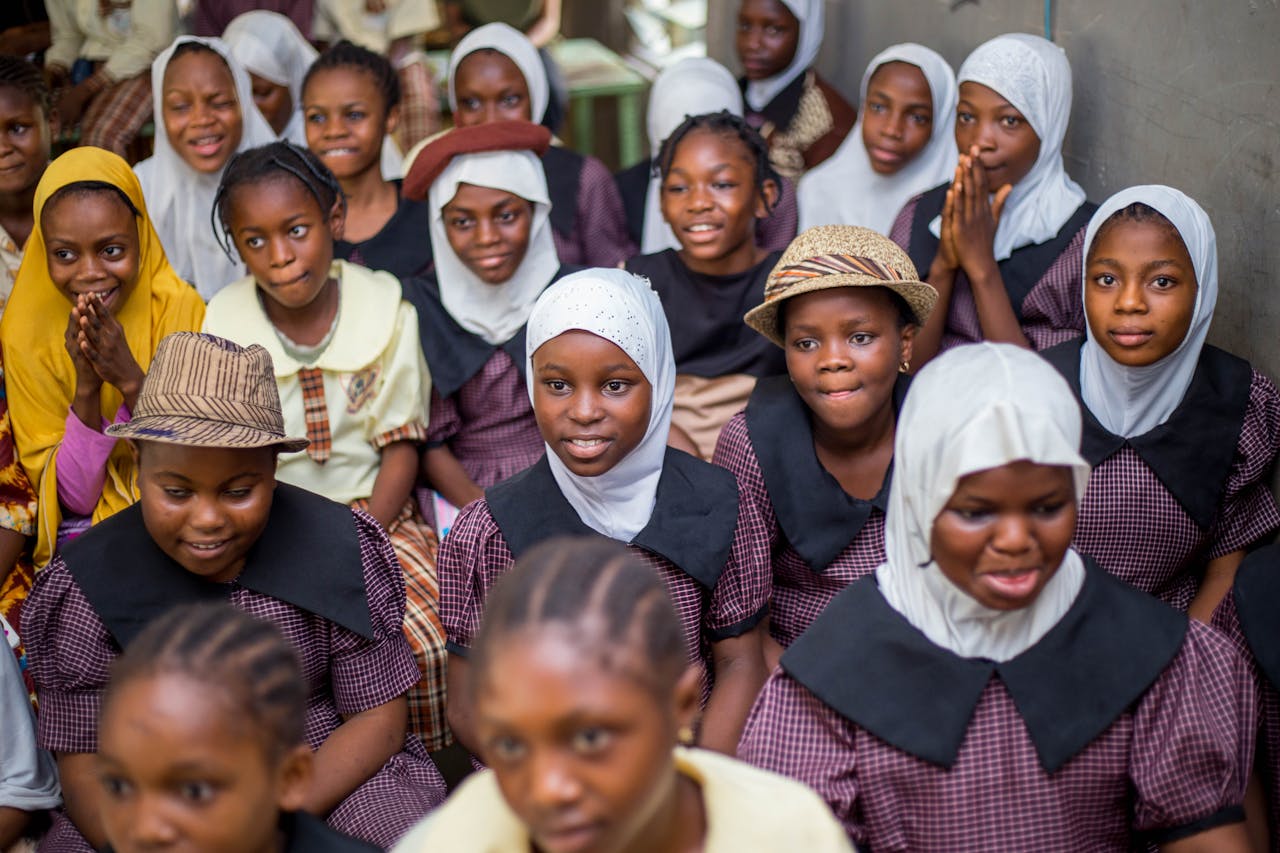

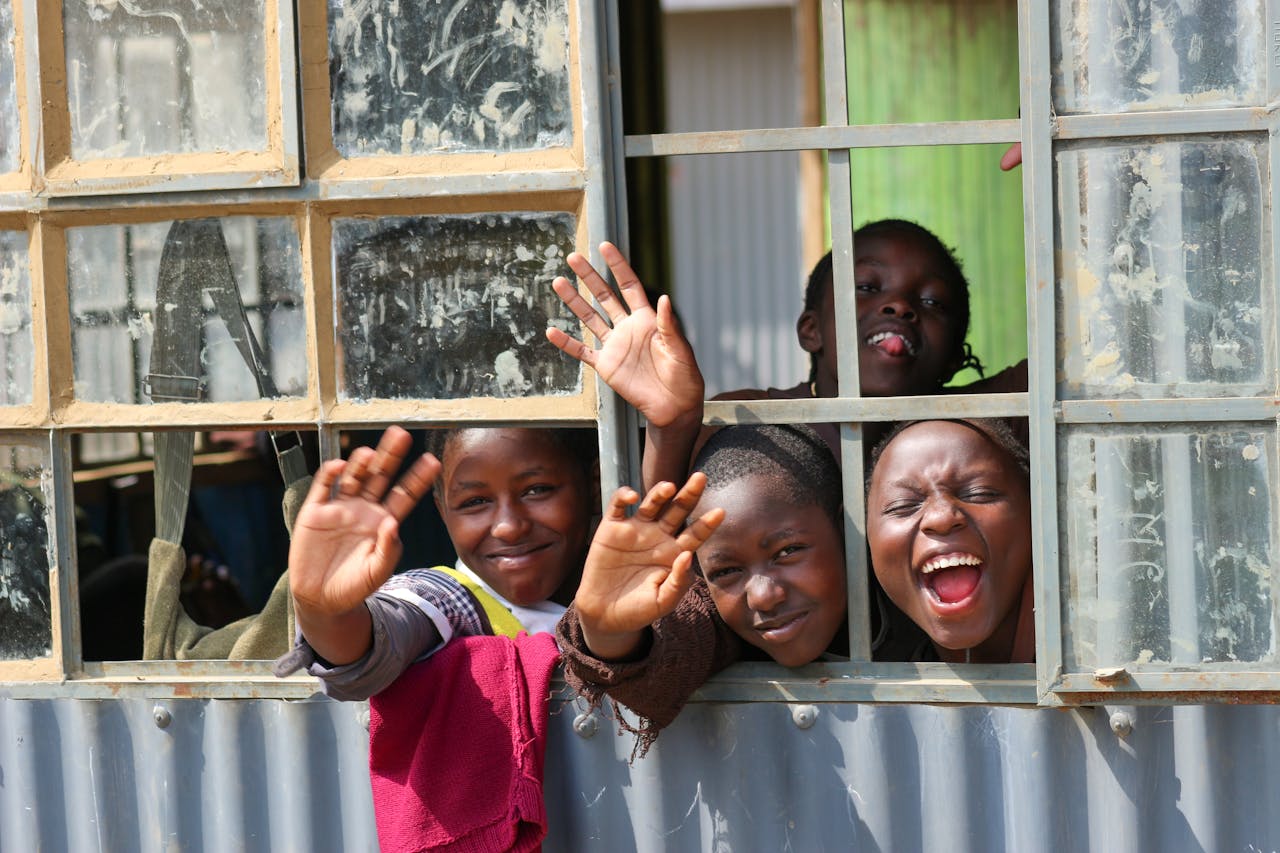
Period poverty remains one of the most overlooked barriers to girls’ education in Kenya. For thousands of young women, missing school every month due to a lack of sanitary pads is a reality that limits both their education and life opportunities. Studies show that girls in Kenya may miss up to five days of school per month during menstruation, which over time can lead to dropping out entirely.
Understanding Period Poverty in Kenya
Period poverty is not just about the absence of sanitary pads. It is also about the lack of menstrual hygiene education, private and safe facilities, and social support. In many low-income areas, girls are forced to use unsafe alternatives that increase the risk of infections and discomfort. Social stigma and shame often prevent them from speaking openly about menstruation, further isolating them.
How Pad Up A Girl Kenya Is Making a Difference
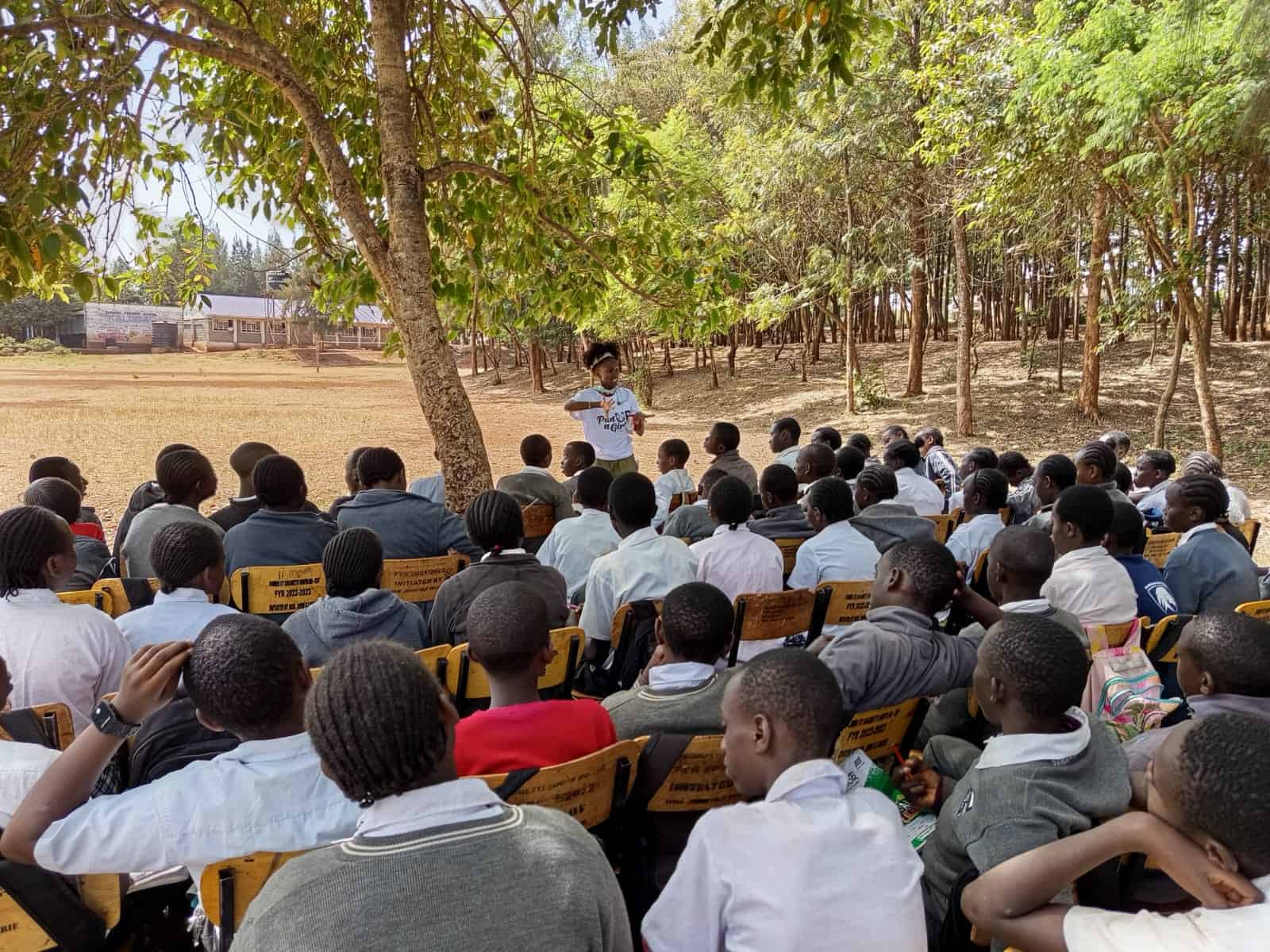
Pad Up A Girl Kenya addresses period poverty by combining product distribution with education programs. Their initiatives ensure that girls have access to sanitary pads, menstrual cups, and hygiene kits, while also learning proper hygiene practices and understanding their bodies. Workshops in schools and community centers empower girls with the confidence to attend school without fear or shame.
The Ripple Effect on Education and Communities
When girls can manage their periods effectively, the impact extends far beyond school attendance. Academic performance improves, dropout rates decrease, and girls are more likely to pursue higher education and leadership roles. Communities benefit too, as educated young women grow into empowered, confident contributors to society.
How You Can Help
Ending period poverty in Kenya requires a collective effort from NGOs, government bodies, and individual supporters. By contributing to initiatives like Pad Up A Girl Kenya, donors help ensure that every girl has the right to education, dignity, and opportunity—regardless of her economic background.